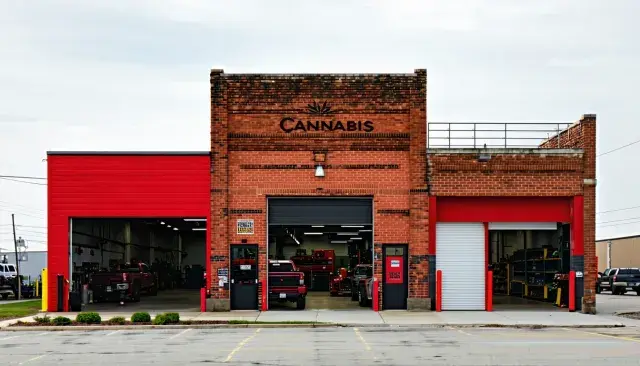
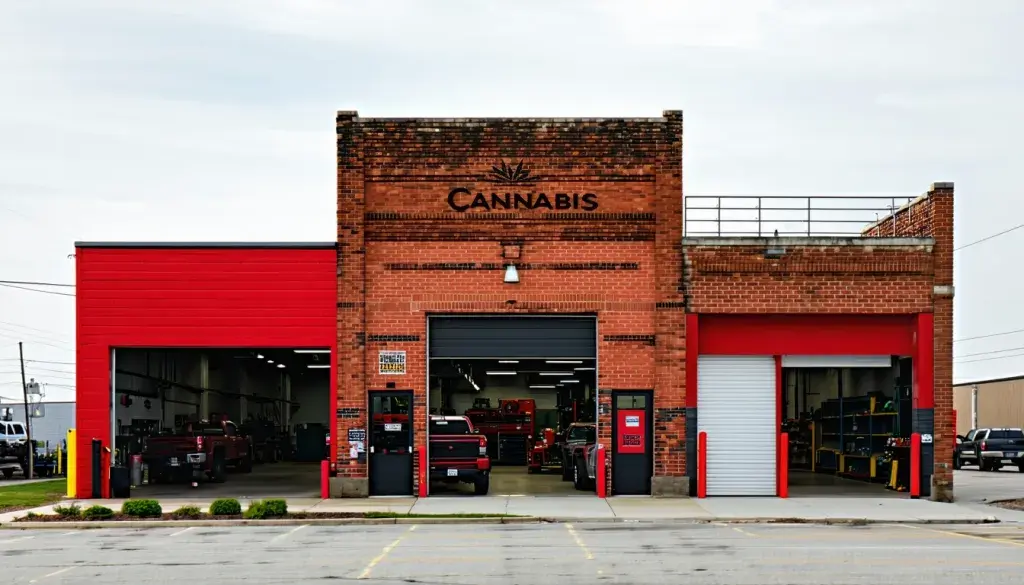
A marijuana retailer is taking a second run at converting the former Putnam Township Fire Station in Pinckney, Michigan, into a licensed cannabis dispensary - and this time, it has a planning commission recommendation behind it. On July 7, the Village of Pinckney Planning Commission voted to recommend approval of a special land use permit, with conditions, for the property at 1066 E. M-36. The site has been eyed for cannabis retail before, which means the community has already wrestled with the core questions: land use compatibility, local licensing parameters, and what a licensed dispensary operation actually looks like in a small-town commercial corridor.
Why Adaptive Reuse of Municipal Buildings Draws Cannabis Operators
Former public facilities - fire stations, town halls, utility buildings - have become a recurring target for cannabis retail site selection, and the logic is straightforward. These structures tend to sit on well-traveled corridors with existing commercial zoning or zoning close enough to support a special land use request. They're often freestanding, which simplifies security perimeter planning. Parking is generally available. And municipal sellers are motivated; decommissioned public buildings generate carrying costs without generating revenue.
For a dispensary operator, the structural conversion isn't trivial. Adult-use and medical cannabis retail facilities in Michigan must meet state licensing requirements that include specific security infrastructure - surveillance coverage of all public-facing and inventory areas, access controls separating the sales floor from the back-of-house, and compliant storage for product inventory. A former fire bay, for instance, requires significant interior buildout to accommodate a functional budroom layout, a point-of-sale station capable of integrating with Michigan's METRC seed-to-sale tracking system, and compliant product displays that meet state packaging and labeling standards.
Here's the catch with adaptive reuse: the bones of the building may work, but the compliance envelope has to be built from scratch. That means HVAC considerations for product storage, ADA compliance for customer access, and sight-line management so that product is not visible from public rights-of-way - a requirement in Michigan's adult-use rules. Operators who have done this before know that the permitting timeline at the local level is just the beginning.
The Special Land Use Process and What It Signals for Operators
A special land use permit - sometimes called a special use permit or conditional use permit depending on the municipality - is a standard local government mechanism for allowing uses that aren't permitted by right in a given zoning district but aren't categorically prohibited either. Cannabis retail almost universally requires this step in Michigan municipalities that have opted into adult-use sales, because most local zoning codes weren't written with dispensaries in mind.
The "with conditions" language in the Pinckney planning commission recommendation matters. Conditions attached to special land use approvals can cover a wide range of operational parameters: hours of operation, exterior signage restrictions, security lighting requirements, traffic and parking management, proximity buffers from schools or churches, and landscaping or screening requirements. For a dispensary operator, each condition is a compliance obligation that runs parallel to - and must not conflict with - state licensing requirements.
What's striking here is that this is reportedly not the first time a cannabis retailer has proposed this specific site. A second attempt, with commission support, suggests the operator either addressed prior objections, the commission's composition or priorities shifted, or both. In practice, local planning bodies in Michigan have become more experienced with cannabis retail applications over the years since adult-use legalization, and initial resistance doesn't always mean permanent rejection.
Operational and Compliance Considerations for the Road Ahead
A planning commission recommendation is just that - a recommendation. The permit still requires approval from the full village council or governing body, and the conditions attached will need to be incorporated into the operator's buildout and operational plan before a state license application can be finalized or activated for the location.
Michigan's Cannabis Regulatory Agency requires applicants to demonstrate that a proposed location meets local approval requirements before certain licensing steps can proceed. That sequencing matters: operators who move too aggressively on site development before securing both local and state approvals carry real financial exposure. Buildout costs for a compliant cannabis retail facility are substantial - security systems, POS integration, compliant display cases, staff training on age verification protocols, and inventory management systems that connect to METRC all represent upfront capital.
Responsible retailing also means the operator will need documented policies for age verification at the point of sale, staff training on product knowledge within legally permitted bounds, and procedures for handling any compliance inspections. Michigan dispensaries are subject to both announced and unannounced inspections, and the recordkeeping burden - from seed-to-sale tracking through METRC to compliant receipt practices - is ongoing.
For small-town communities like Pinckney, the presence of a licensed dispensary also brings local tax implications. Michigan municipalities that permit adult-use cannabis sales receive a share of the state's cannabis excise tax revenue, which has been a meaningful consideration for local governments weighing community benefit against land use concerns. That context doesn't resolve every neighbor objection, but it's part of the broader municipal calculus that planning commissions work through.
The former fire station on E. M-36 isn't a done deal yet. But the trajectory - a second application, a commission recommendation, conditions rather than denial - suggests the operator has done the groundwork this time around.