
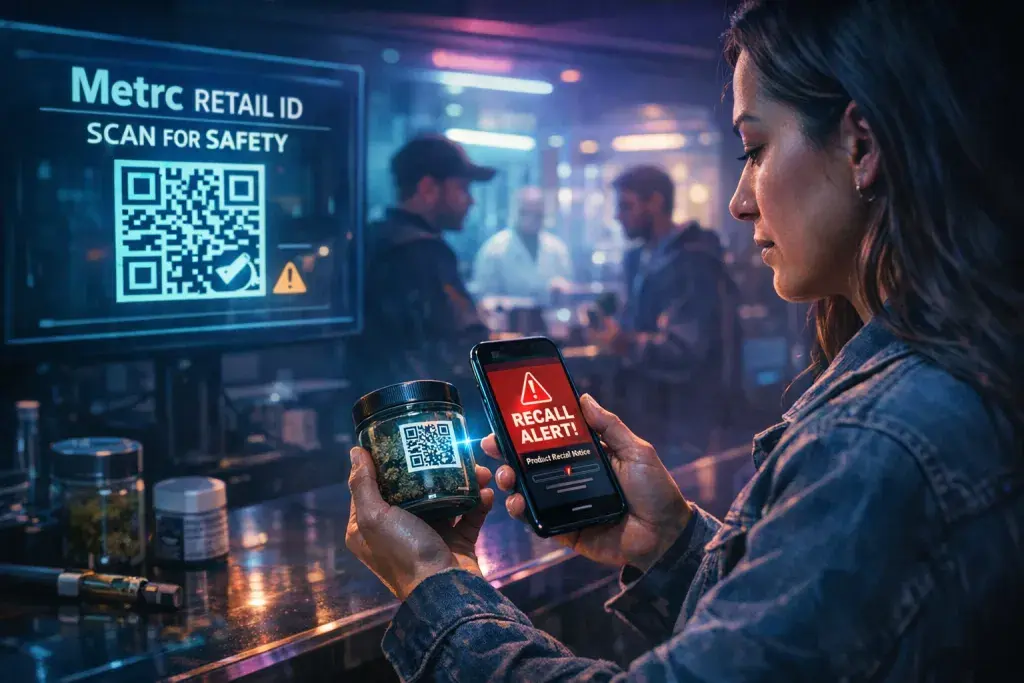
California cannabis buyers can now scan product QR codes to check for recalls, thanks to an upgrade in Metrc's Retail ID system launched with state regulators. This tool, already on 20% of the market's weekly volume, confirms lab testing and regulated origins while alerting users to safety issues in real time. The change strengthens consumer protections in the nation's largest legal cannabis market.
Building on QR Code Foundations
Metrc introduced Retail ID in California last November as a QR code affixed to packages. Retailers and distributors scan it to track inventory and ensure compliance with state rules. Brands like Embarc and Nabis have adopted it, covering about one-fifth of products sold each week. Consumers previously used scans to verify testing and market legitimacy; the new recall feature expands that access.
State Partnership Elevates Safety Standards
The California Department of Cannabis Control partnered with Metrc to integrate recall notifications directly into the system. Director Nicole Elliott described it as a public health safeguard that sets transparency benchmarks for the industry. When regulators issue a recall, the QR code updates instantly, notifying anyone who scans after the alert. Metrc CEO Michael Johnson emphasized how this equips buyers with data on safety and origins, fostering trust among licensees.
Streamlining Compliance Across the Supply Chain
Additional updates allow brands to apply Retail ID labels after final testing, aligning with California's requirements. This supports distributors and retailers in sharing verified details without workflow disruptions. Nabis COO Will Brophy highlighted operational efficiencies and the value of shopper confidence. Such tools address longstanding challenges in cannabis regulation, where illicit markets persist despite legal sales exceeding $5 billion annually in the state.
Implications for Market Trust and Regulation
Recalls in cannabis often stem from contamination or failed potency tests, risks that regulated tracking mitigates. This enhancement closes a gap by empowering consumers, not just businesses, with information. As adoption grows, it could reduce black-market reliance and influence other states. Metrc's moves underscore technology's role in maturing an industry born from medical needs two decades ago, now balancing recreation with rigorous oversight.