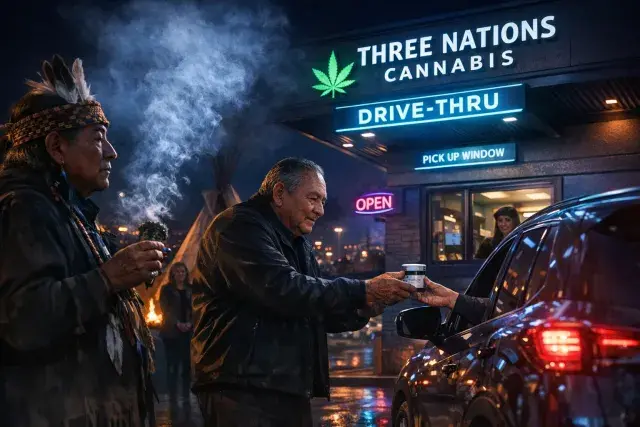
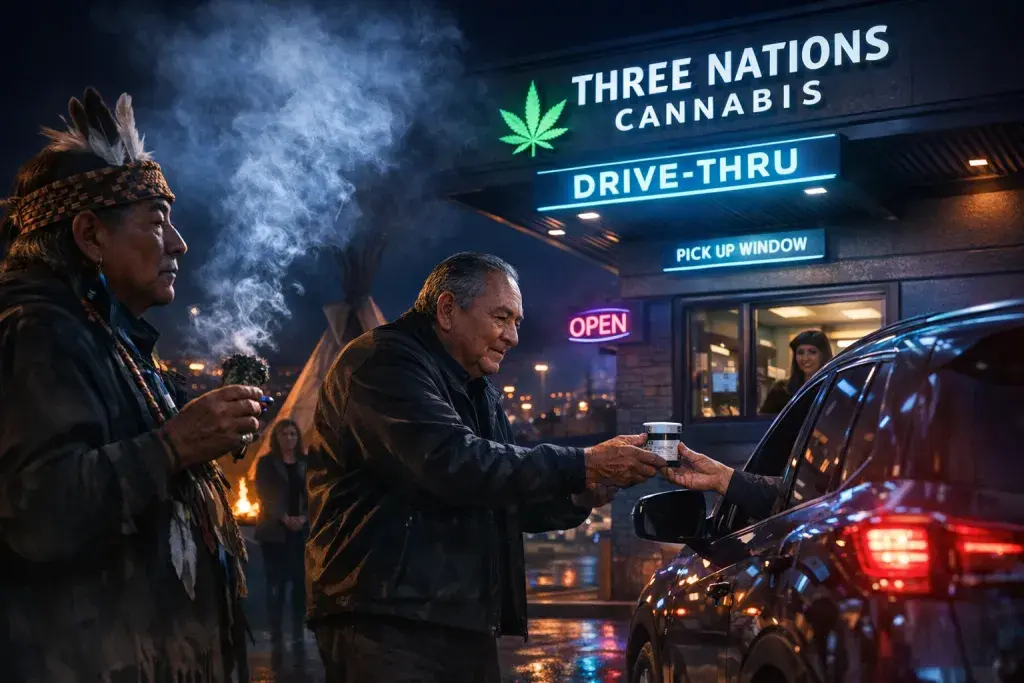
Reno-Sparks Indian Colony opened Three Nations Cannabis with a soft launch Saturday, marking the city's first drive-thru dispensary following a cultural blessing by tribal members featuring prayers and music. Tribal Chairman Arlan Melendez made the inaugural purchase—a cream for shoulder pain—signaling a new chapter in the tribe's economic self-determination. Local leaders, including Reno Mayor Hillary Schieve and City Council member Naomi Duerr, attended to witness the event at the 12,000-square-foot facility on South Virginia Street.
Cultural Roots and Community Investment
The Reno-Sparks Indian Colony, a federally recognized tribe of Paiute, Shoshone, and Washoe descendants, infused the opening with tradition. Tribal members led prayers and music, honoring ancestors while launching Three Nations Management Corporation, the fully tribally owned entity operating the dispensaries. This approach reflects sovereign tribes' longstanding authority to govern economic activities on their lands, distinct from state regulations. Melendez emphasized in a statement that the venture diversifies the tribe's economy, creating well-paying jobs for tribal members and the public while funding elder care, education, health services, housing, infrastructure, language preservation, culture, and youth programs.
Strategic Expansion Near Existing Outlets
Located in a former Infiniti dealership at 11570 S. Virginia St., the site currently serves customers via drive-thru lanes only, with the indoor retail space set to open in April. A second RSIC-owned drive-thru dispensary occupies a repurposed Taco Bell in Verdi near Gold Ranch, scheduled for March 12. Both sit close to the tribe's established Tribal Smoke Shop businesses, building on proven retail success. Melendez announced a third location in Spanish Springs, though without a firm date, positioning these outlets to capture demand along key Nevada corridors.
Tribal Sovereignty Meets Regional Cannabis Trends
Tribal cannabis operations like this one operate under federal Indian law, allowing sales on sovereign territory even as Nevada enforces strict state licensing off-reservation. This model enables tribes to generate revenue independently, reinvesting in community needs amid broader legalization trends since Nevada voters approved recreational marijuana in 2016. For RSIC, the dispensaries promise sustained economic growth, contrasting with volatile state markets while fostering local partnerships evident from the leaders' attendance. As indoor access expands, Three Nations Cannabis stands to bolster the tribe's infrastructure for generations.