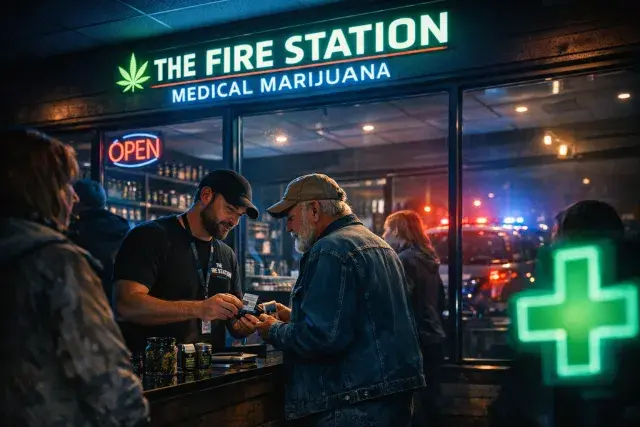
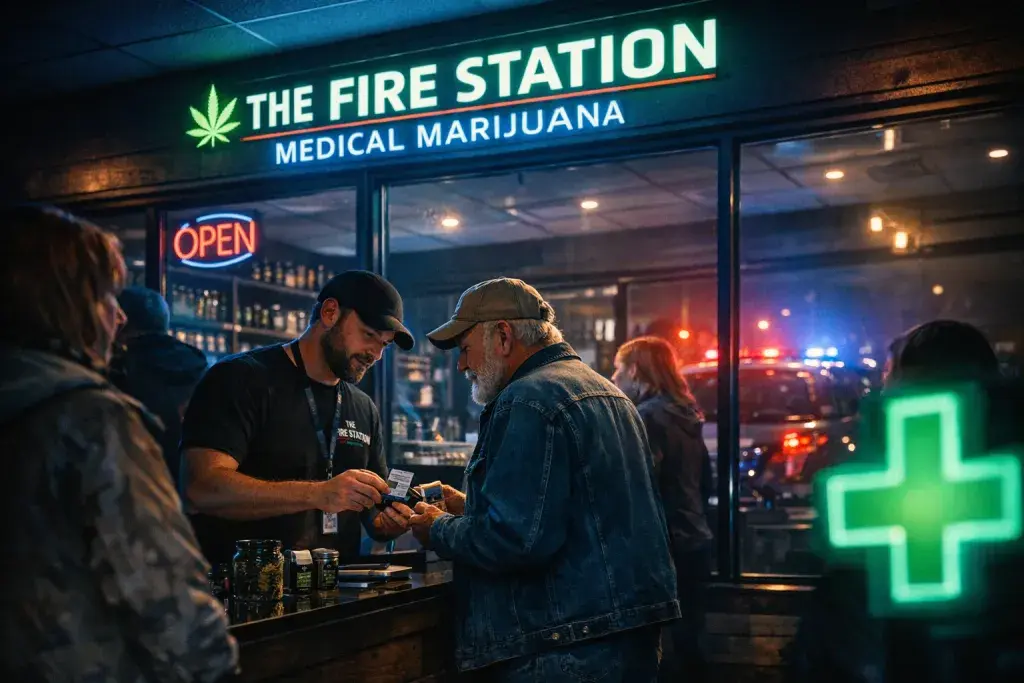
On Tuesday, The Fire Station in Negaunee Township opened its doors for a soft launch as Marquette County's inaugural medical marijuana dispensary. A steady stream of customers arrived starting at 11 a.m., marking a key step in Michigan's expanding medical cannabis framework. Owner Stosh Wasik, who spent three years preparing, described the milestone as the end of a long but rewarding journey.
A Three-Year Push Realizes Local Access
Stosh Wasik built The Fire Station to fill a void in Marquette County, where patients previously traveled elsewhere for legal medical marijuana. Michigan legalized medical cannabis in 2008 through the Michigan Medical Marihuana Act, but provisioning centers like this one emerged later under expanded regulations in 2018. Wasik's effort reflects broader state efforts to create licensed retail outlets, easing access for registered patients while enforcing strict compliance.
Strict Eligibility Shapes Customer Base
Only individuals with a valid medical marijuana card from any state qualify to purchase at The Fire Station, which excludes recreational sales entirely. Inventory spans flower, distillate cartridges, and edibles, catering to diverse patient needs approved under Michigan's caregiver and provisioning center laws. The store operates daily from 11 a.m. to 7 p.m., positioning it as a reliable local option in the Upper Peninsula.
Navigating Michigan's Medical Cannabis Landscape
Michigan's medical program serves over 400,000 registered patients statewide, driven by conditions like chronic pain, cancer, and glaucoma that physicians certify for cannabis use. Provisioning centers must adhere to rigorous state oversight, including seed-to-sale tracking to prevent diversion and ensure product safety. Wasik's venture arrives amid ongoing debates over supply chain controls and local zoning, yet it advances equitable distribution in rural areas like Marquette County.
Implications for Patients and Policy
This opening signals growing normalization of medical cannabis in northern Michigan, where geographic isolation once limited options. Patients gain convenience without compromising regulatory standards, potentially reducing black-market reliance. As more dispensaries seek approval, the model underscores Michigan's balance between therapeutic access and public safety controls.