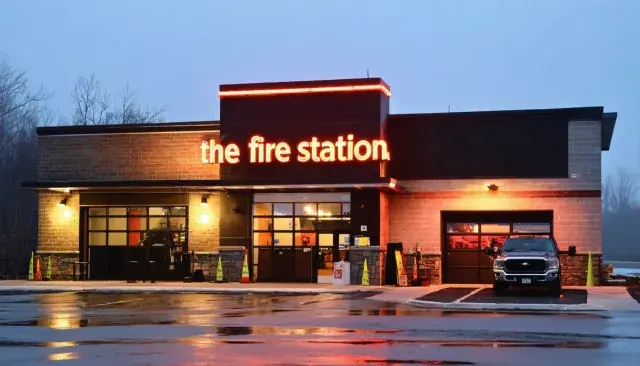
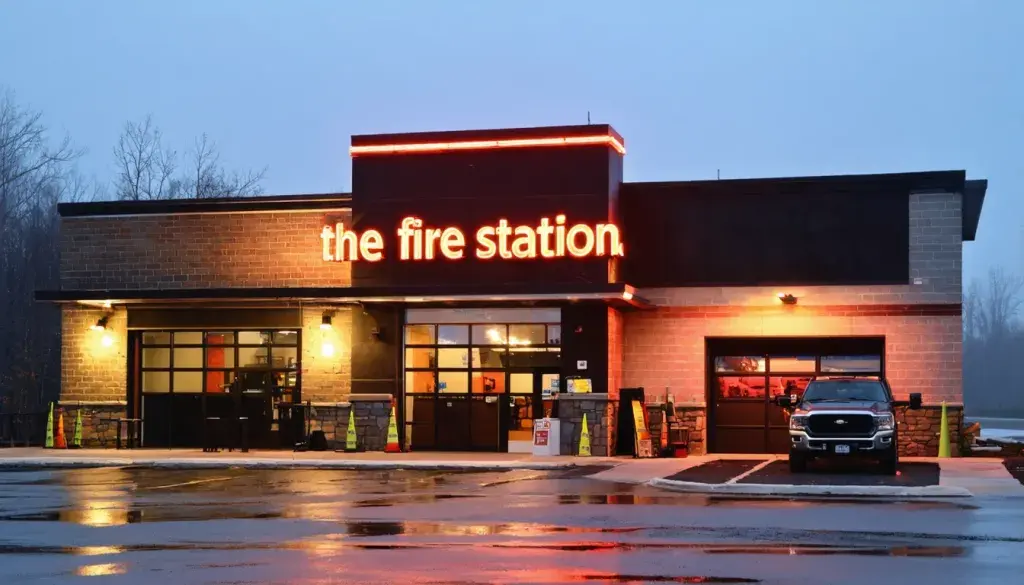
On Tuesday, The Fire Station in Negaunee Township marked a milestone as Marquette County's inaugural medical marijuana dispensary opened softly at 11 a.m., drawing steady customers and signaling expanded access to therapeutic cannabis for qualifying patients amid growing demand for alternative pain management.
Opening Details and Customer Response
The Fire Station, owned by Stosh Wasik, welcomed visitors throughout the day, offering a curated selection of products tailored to medical needs. Wasik, who has pursued this venture for three years, emphasized the dispensary's nationwide eligibility for patients with valid medical marijuana cards.
- Inventory includes flower, distillate cartridges, and edibles for diverse therapeutic applications.
- Strictly medical-only; recreational sales prohibited, requiring proof of registered patient status.
- Hours: 11 a.m. to 7 p.m., seven days a week, enhancing accessibility in this rural Upper Peninsula region.
Context of Medical Cannabis Expansion in Michigan
Michigan's medical marijuana program, established in 2008 via voter initiative, has evolved significantly, with over 400,000 registered patients statewide as of recent estimates. Marquette County's entry reflects a broader trend where rural areas, long underserved by urban-centric dispensaries, now gain local options. This soft opening addresses geographic barriers, reducing travel burdens for patients managing conditions like chronic pain, chemotherapy-induced nausea, and PTSD—ailments where cannabis shows evidence-based efficacy in symptom relief.
Health Implications and Community Impact
For public health, this development promises safer, regulated access over unregulated markets, minimizing risks from contaminated products. Studies, including those from the National Academies of Sciences, affirm cannabis's moderate evidence for alleviating chronic pain in non-cancer patients, potentially decreasing opioid reliance—a critical factor amid Michigan's ongoing overdose crisis. Locally, The Fire Station could foster economic growth through jobs and tax revenue while normalizing medical cannabis as a lifestyle-integrated therapy, bridging cultural gaps in conservative communities.
Looking ahead, sustained patient education on dosing and interactions will be key to maximizing benefits and ensuring safety, positioning Marquette County as a forward-thinking hub in Michigan's maturing cannabis landscape.