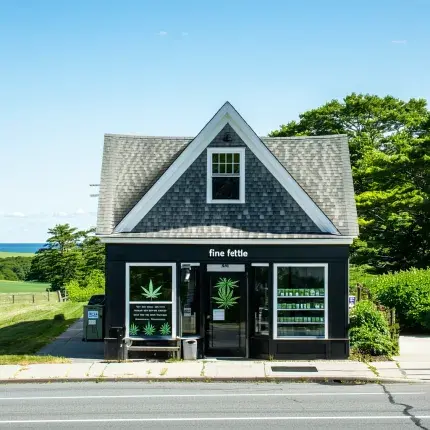
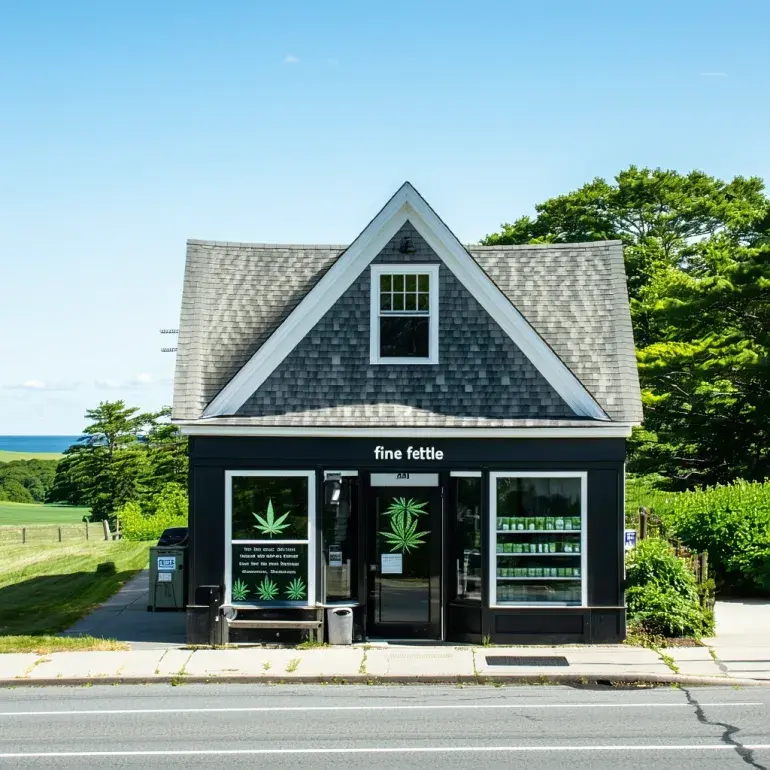
In West Tisbury on Martha's Vineyard, the select board unanimously greenlit the ownership transfer of Fine Fettle, one of the Island's two marijuana dispensaries, to Black Harbor Group. This pivotal move, announced after a Wednesday meeting, promises to stabilize local cannabis access amid past supply disruptions, ensuring continued recreational and medical services under stricter compliance timelines.
Key Details of the Ownership Shift
Fine Fettle has operated along State Road since 2021 as the Island's sole commercial grow and retail facility. The transfer to Black Harbor Group, a newly formed Massachusetts LLC established in early July, hinges on resolving longstanding issues like non-compliant external lighting mandated by the Martha's Vineyard Commission.
- Approval includes a six-month deadline for full Cannabis Control Commission (CCC) compliance, with potential revocation if unmet.
- Black Harbor's attorney, Erin Riley, affirmed confidence in meeting the timeline, emphasizing collaboration with landlords and vendors.
- Managers—Monica Dean, Jamarhl Crawford, Kendall Mills, and Cornell Mills—all reside on the mainland, per state filings.
Background: Fine Fettle's Closure and Island-Wide Fallout
Fine Fettle halted cultivation in May due to financial pressures, triggering a crisis since state rules long restricted Vineyard dispensaries to Island-grown marijuana. This forced Island Time, the other retailer, to shutter temporarily, highlighting the fragility of isolated cannabis markets. A June CCC rule change finally permitted cross-state-water transport from the mainland, averting permanent shortages and mirroring trends in other insular regions like Nantucket.
Implications for Martha's Vineyard Cannabis Landscape
This handover could revitalize the sector, with both outgoing owner Benjamin Zachs and Black Harbor expressing commitments to regulatory adherence and community integration. Economically, it sustains jobs and tax revenue in a niche market where recreational sales have surged nationally—up 20% year-over-year per industry trackers—yet local ops face unique logistical hurdles like shipping restrictions.
Health-wise, reliable access supports medical users reliant on strains for pain management or anxiety, aligning with broader shifts toward normalized cannabis as a wellness option. Culturally, it weaves the industry into Vineyard life, potentially fostering innovation like sustainable cultivation amid climate pressures on agriculture.
Outlook: Revival with Guardrails
Black Harbor's restrained plans signal cautious expansion, prioritizing compliance over rapid scaling. Success here may set precedents for other rural or island markets, balancing economic boosts against regulatory scrutiny. As the Island's cannabis scene evolves, this transfer underscores resilience, ensuring steady supply while addressing past lapses in a maturing industry.