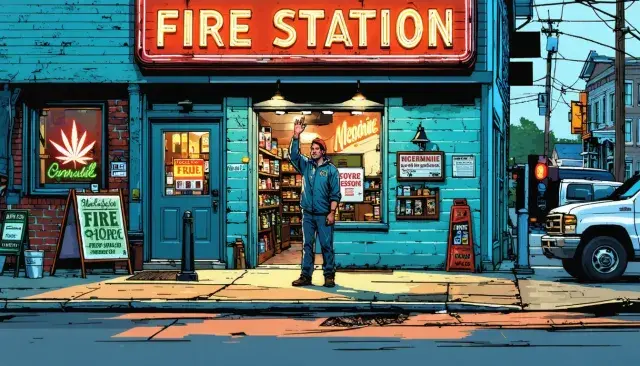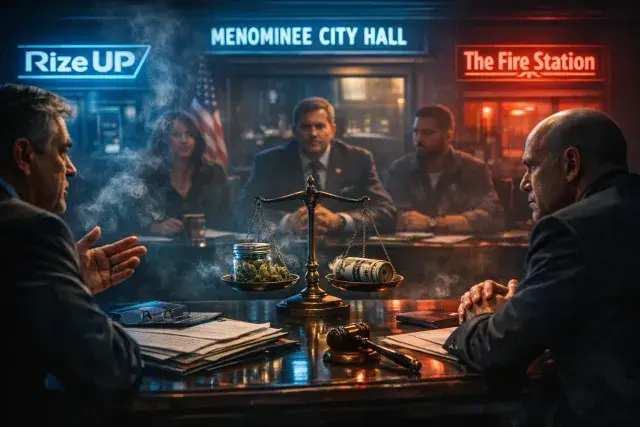
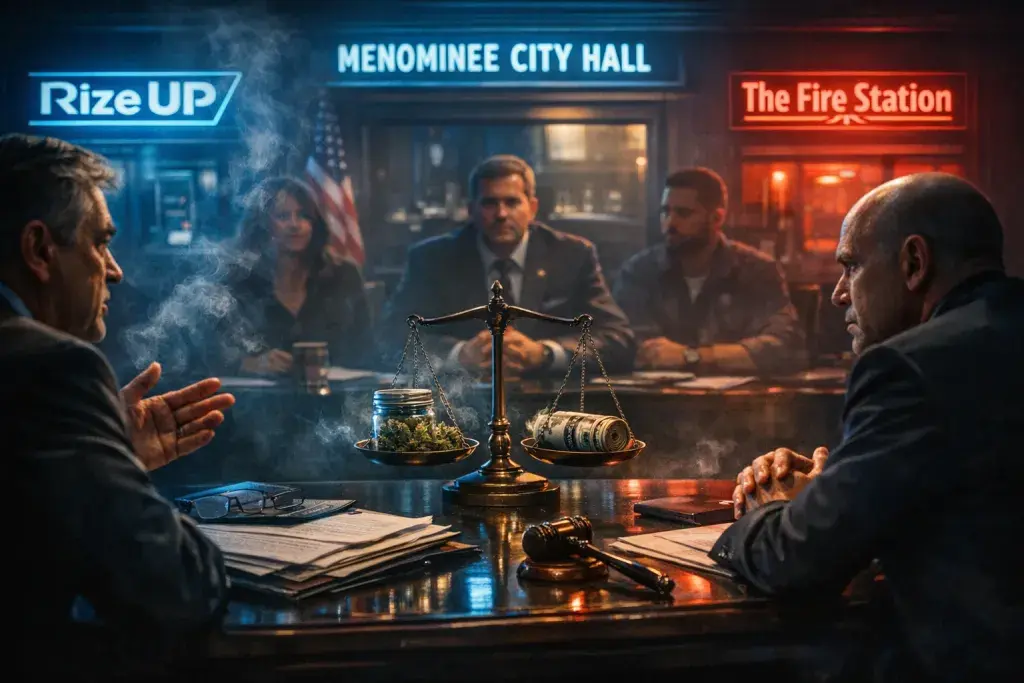
Menominee officials and two established marijuana dispensaries are negotiating what could be the last settlement to resolve years of litigation over cannabis business permits. The dispute involves Rize UP and The Fire Station, the original permit holders, facing competition from three additional retailers ordered to reopen by a court last November. Both sides express cautious optimism, though past rejections have tempered expectations.
Roots of the Legal Conflict
The battle traces back to Menominee's initial decision to grant permits to just two marijuana retailers: Rize UP and The Fire Station. Newer entrants, including Higher Love, Lume, and Nirvana, challenged the city's restrictions through lawsuits, leading a court to lift a temporary restraining order and allow their reopening in November 2023. Multiple suits followed, but Mayor Casey Hoffman states only one remains active, marking a shift from broad legal entanglements to targeted resolution efforts.
City's Stance and Recent Overtures
Hoffman frames the city's willingness to review a final settlement offer as an act of goodwill, aimed at fostering neighborly relations. He acknowledges the prolonged strain, crediting "skillful lawyering" for narrowing the disputes to their current state. The mayor's comments suggest a desire to conclude the matter decisively, even as he vows careful scrutiny of the proposal.
Dispensary Owners Seek Balance and Stability
Mike Cox, owner of Mike Cox Law and representing Rize UP, remains open to a deal but questions the mayor's intentions after the city council rejected their offer two weeks prior. James Martone of Dickinson Wright PLLC, speaking for The Fire Station, advocates for a cap on marijuana businesses to protect community interests. Both emphasize commitment to compliance and long-term investment, signaling readiness to partner despite policy differences.
Broader Policy Implications for Small-Town Cannabis Markets
This standoff highlights tensions in Michigan's post-legalization landscape, where municipalities grapple with regulating recreational marijuana amid state mandates for open markets. Cities like Menominee balance economic benefits from tax revenue against concerns over saturation and community impact. A settlement could stabilize local operations, but failure risks further court involvement, underscoring how permit caps remain a flashpoint in cannabis policy debates across rural areas.